How to make money on Shopify comes down to two choices: sell from your own Shopify store, or earn from the ecosystem without one. Store routes include your own products, dropshipping, print-on-demand and digital products. Non-store routes include the Shopify Affiliate Program, services for merchants, and building apps or themes.
This guide covers 13 ways, what each one costs to start, and when the money comes in. Prices and program terms were checked on Shopify's own pages in November 2026.
Try Shopify: 3 days free, then $1/month for your first 3 months
The offer covers the Basic, Grow and Advanced plans. After the first 3 months, Basic costs $25/month, or $19/month billed yearly (Shopify pricing page, November 2026).
13 ways to make money on Shopify at a glance
Use this table to shortlist two or three ways that fit your budget and skills. The cost column lists what Shopify and the named apps charge, checked in November 2026.
| Way | What you sell | What you pay to start | When money comes in |
|---|---|---|---|
| 1. Your own products | Products you make or buy in stock | Shopify plan, plus stock | When orders ship; stock is paid for before you sell |
| 2. Dropshipping | A supplier's products | Shopify plan; no stock | Per order; you pay the supplier after the customer pays you |
| 3. Print-on-demand | Your designs on blank products | Shopify plan; Printful and Printify are free to install | Per order; the print partner bills you per item |
| 4. Digital products | Files, templates, presets | Shopify plan; Shopify Digital Products is free | Per order, with no shipping cost |
| 5. Subscription boxes | A box sent on a schedule | Shopify plan, a subscription app, plus stock | Every billing cycle |
| 6. Shopify POS | Your products in person | In-person selling is included in paid plans; POS Pro is $89/month per location | At the till |
| 7. Marketplaces and social | Your catalog on Amazon, Walmart, eBay, TikTok | Marketplace Connect is free to install; marketplace fees apply | When each marketplace pays out |
| 8. Wholesale | Bulk orders to retailers | Faire app is free to install; Faire charges on orders | Per wholesale order |
| 9. Shopify Affiliate Program | Referrals to Shopify | Free to join | When a referral pays for a plan |
| 10. Services for merchants | Your time and skills | Your time | Per project or retainer |
| 11. Apps and themes | Software for merchants | $19 one-time App Store registration; build time | When merchants pay for your app or theme |
| 12. Content and creator deals | Audience attention | Your time | Per sale from your links or codes |
| 13. Courses and tutorials | What you know about selling | Shopify plan or a course platform | Per course sale |
Not sure where to start? If you have a product idea, start with ways 1 to 4. If you have skills but no product, go to ways 9 to 13.
Sell products from your own Shopify store
These five ways all start the same way: you open a Shopify store and sell to shoppers directly. What changes is where the product comes from and who ships it. If you have never set up a store, follow our guide on how to start a Shopify store first.
1. Sell your own products
Selling products you make or buy in stock gives you the most control. You set the brand, the product pages, the prices and the shipping rules. You also carry the stock risk, so you pay for products before anyone buys them.
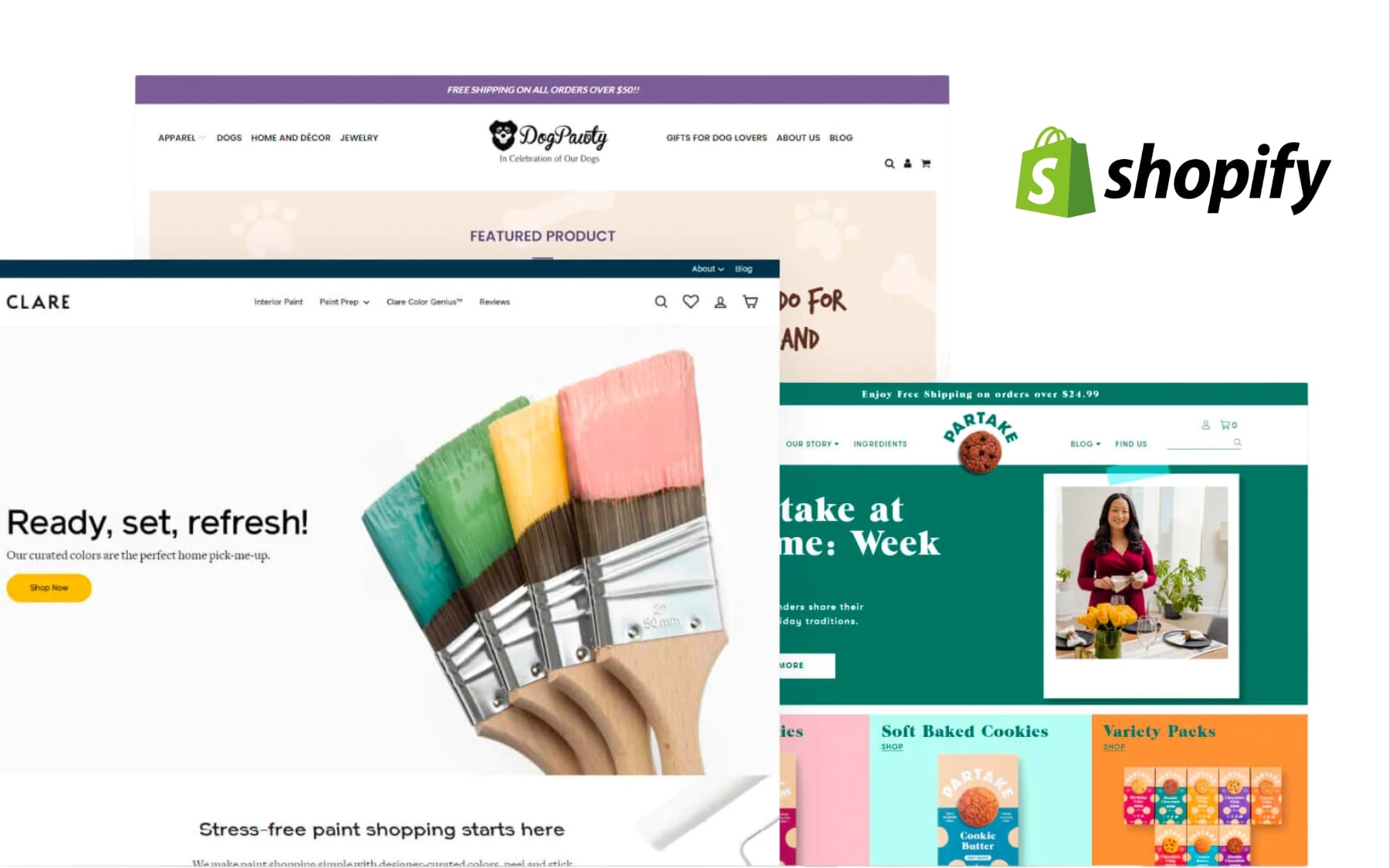
Products with steady demand, such as clothing, jewelry, beauty and home goods, are a common starting point. Trending products can sell fast, but demand can drop just as fast. Before you order stock, check that shoppers search for the product and that you can price it above your full cost.
Shopify's Theme Store has free and paid themes for most industries, so you can launch without a designer. Change the theme later once you know what your shoppers need.
Stores that sell their own products on Shopify
These four stores run on Shopify today. Each one shows a different way to sell its own range.
Kylie Cosmetics sells Kylie Jenner's makeup and skincare. In 2019, Coty agreed to buy 51% of the business for $600 million. That valued the business at about $1.2 billion (CNBC, November 2019).
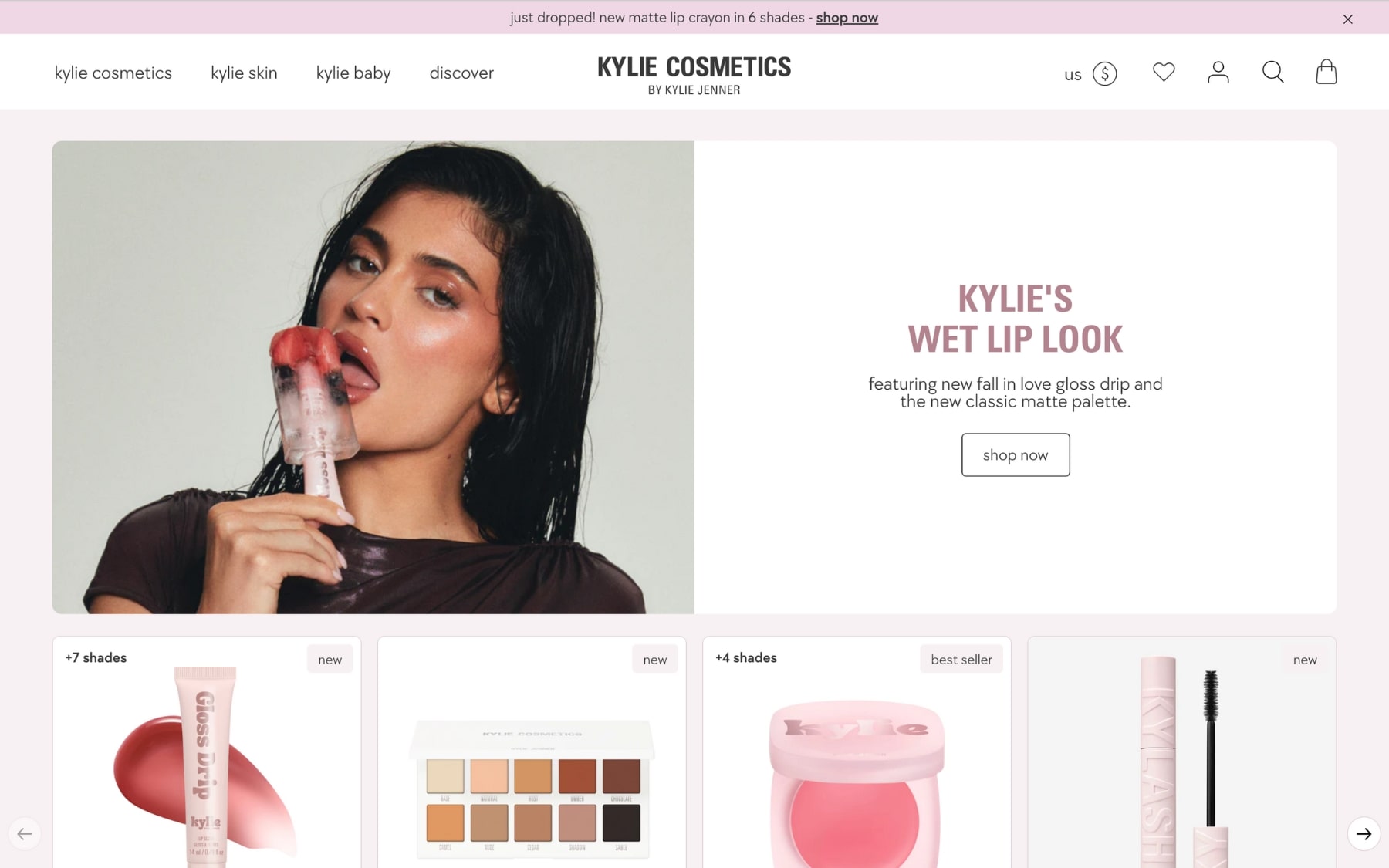
The brand grew on Kylie Jenner's social media reach and on limited-edition product launches.
Fashion Nova sells low-priced fashion and accessories online. Google's 2018 Year in Search named it the top trending fashion brand, ahead of Louis Vuitton and Versace (Refinery29, December 2018).
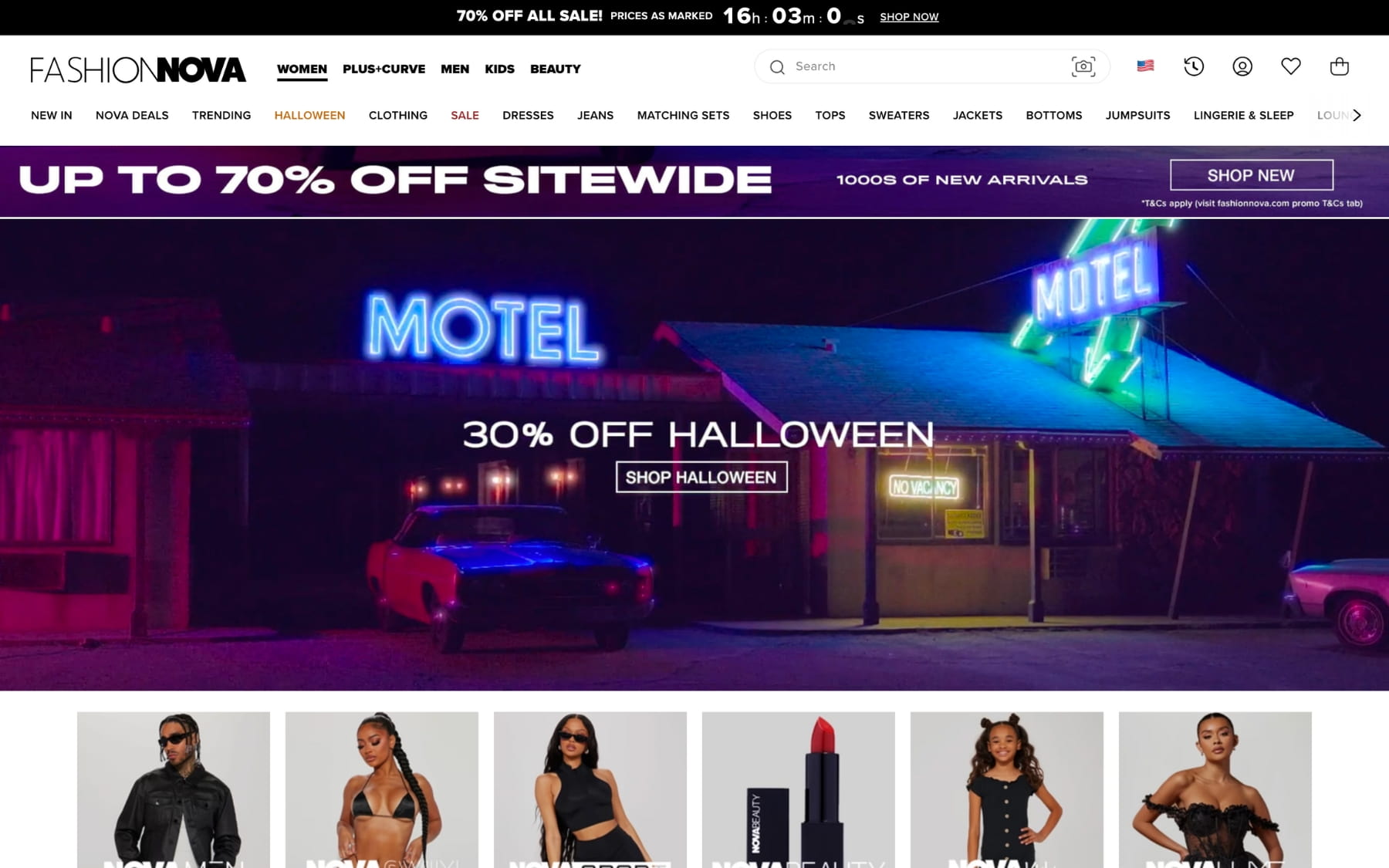
Haus is a furniture, lighting and homeware retailer with a shop in East London. It sells authorised editions from European design brands and independent designers, both online and in store.
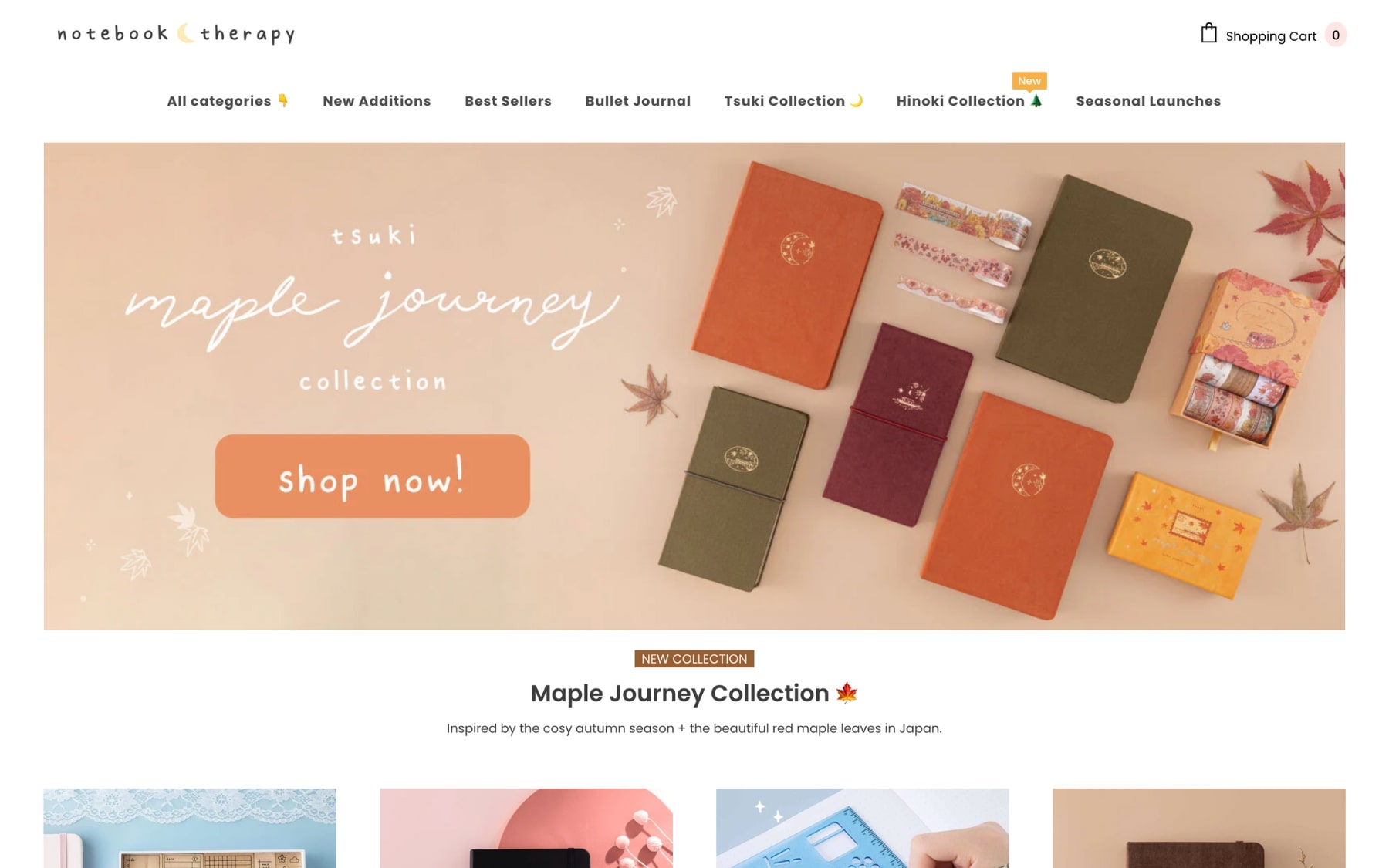
Notebook Therapy sells Japanese and Korean stationery, from notebooks to pencil cases and bags. It designs its own tsuki line in house, so part of its range cannot be bought anywhere else.
2. Start a dropshipping store
With dropshipping, you list a supplier's products in your store. When a customer orders, the supplier ships the item and you pay the supplier from the money the customer paid you. You hold no stock, so your profit is the gap between your price and the supplier's price, minus ads and fees.
Light, durable products in the middle price range are the easiest to dropship. Niches such as fitness accessories, beauty and pet supplies have steady demand. Order samples before you list anything, because you answer for the supplier's quality and delivery times.
To find products, you can connect a supplier app such as DSers, which imports AliExpress and other supplier products into your store.
Shopify Collective is another route. It lets you sell products from other Shopify brands, and you only pay the supplier for items you sold once they ship. Collective is free with any Shopify plan if your store meets its country and Shopify Payments rules.
Dropshipping has its own playbook for niches, pricing and ads. Read how to make money on Shopify dropshipping for the full steps.
3. Sell print-on-demand products
Print-on-demand (POD) works like dropshipping, but the products carry your designs. A print partner prints each item after it is ordered and ships it to the customer. You never hold stock and you never print anything yourself.
Compared with dropshipping, POD gives you:
- Products nobody else sells, because the designs are yours.
- More control over quality, because you choose the blank product and approve the print.
- No unsold stock, because nothing is printed before an order.
- Less risk from a single supplier, because several print partners make the same blanks.
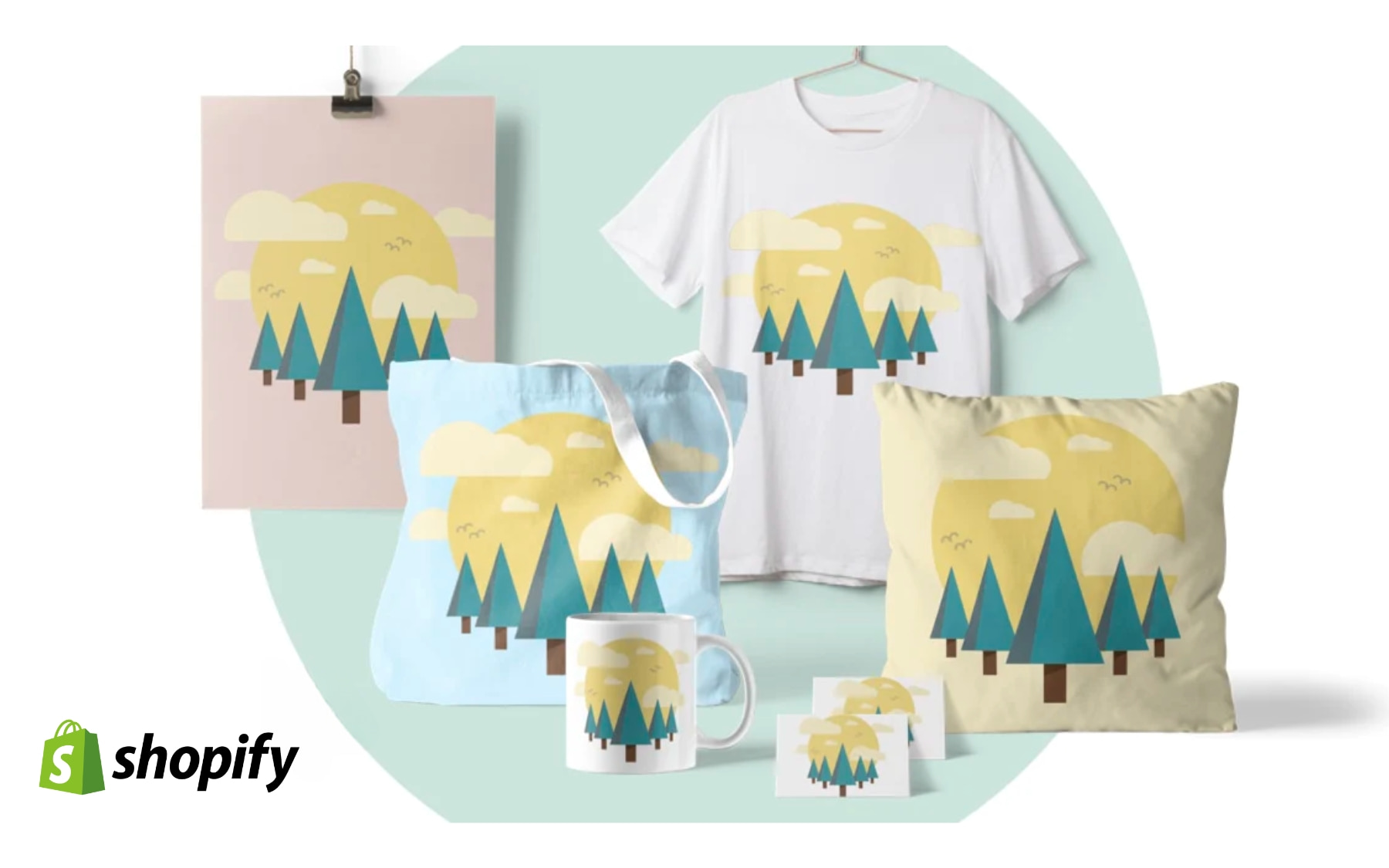
Printful and Printify both have Shopify apps that are free to install; you pay per item when an order comes in. Gooten is another option.
T-shirts are the easiest product to start with. Everyone wears them, the print area is large, and text or graphic designs both work. Mugs, phone cases and posters are other simple starting products.
Two Shopify stores show what design-led products look like. The Feminist Vibe sells apparel with feminist slogans and designs.

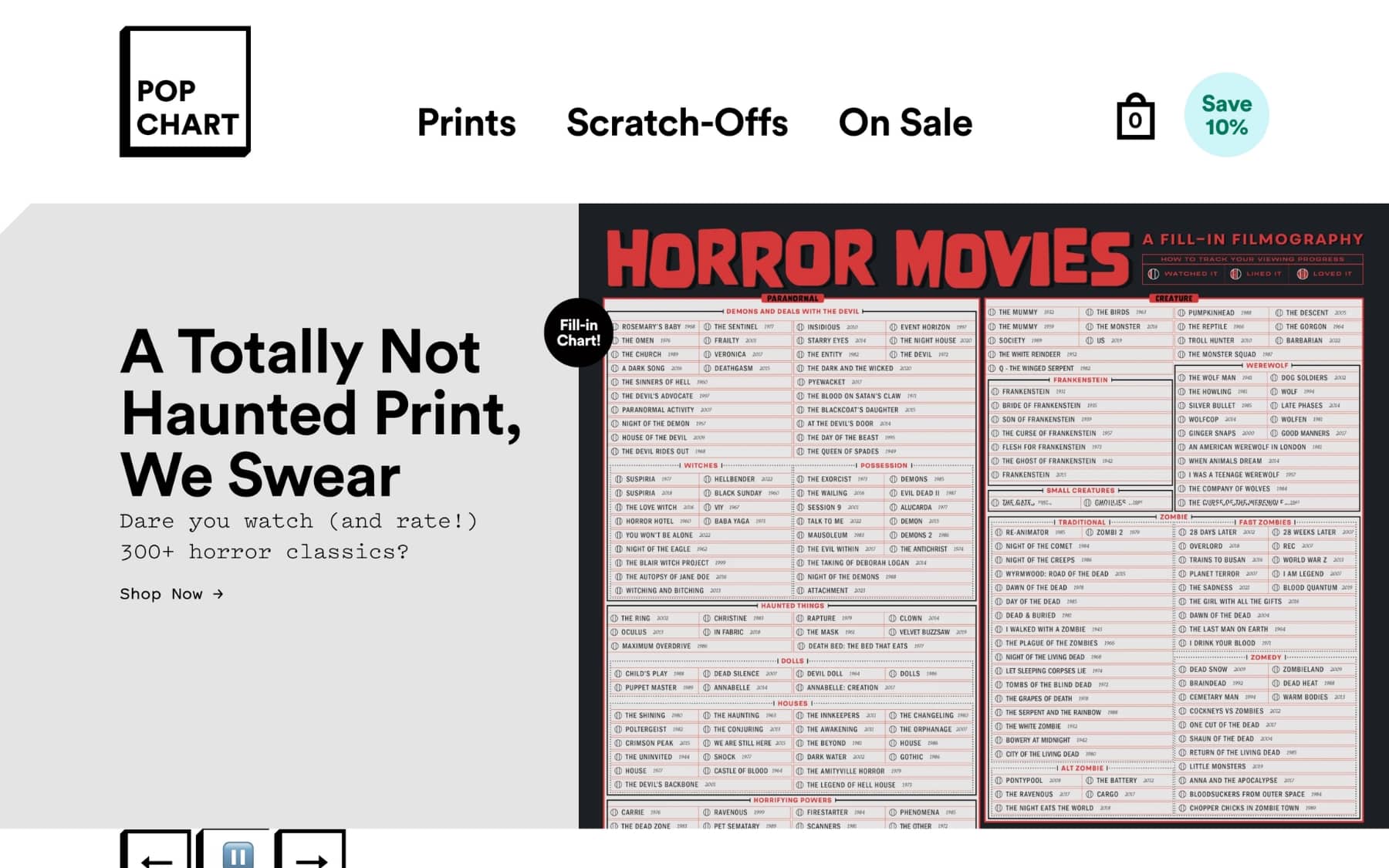
Pop Chart sells infographic art prints that turn data and trivia into posters. Its store now runs at popchart.co.
4. Sell digital products and downloads
Digital products include ebooks, templates, sewing patterns, sheet music, presets and courses. You create the file once and sell it again and again, with no stock and no shipping.
Shopify's own Digital Products app is free. It attaches files or links to a product and sends the customer an access link after purchase. For more ideas, read our guide to selling digital downloads.

You also need a way to bring buyers in. Shopify connects with email marketing apps, which help you sell new files to people who already bought from you.
Two Shopify stores sell only digital products. Luxe Lens sells Lightroom presets for mobile and desktop, plus photography tools and classes.
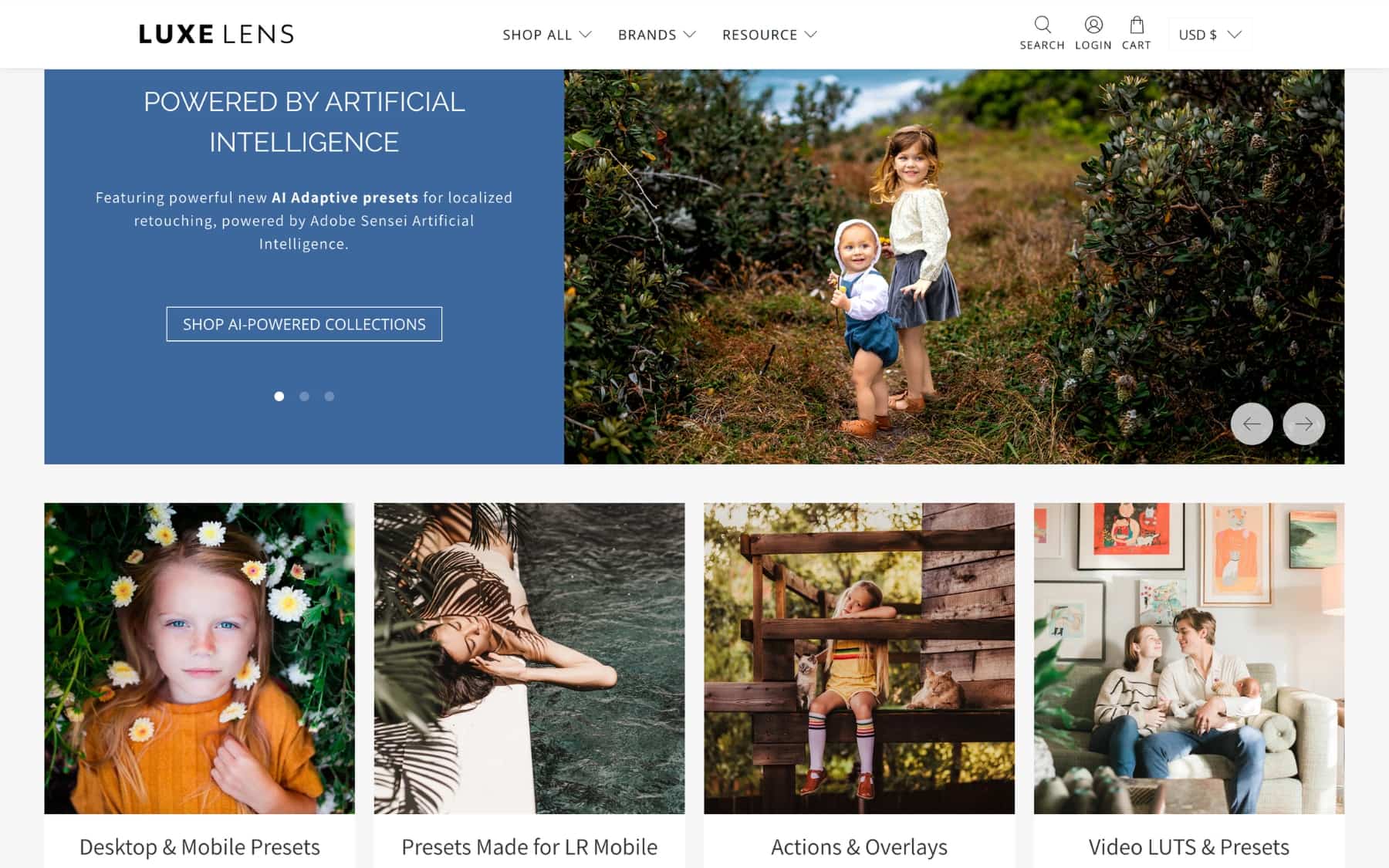
True Grit Texture Supply sells Procreate and Photoshop brushes and textures for illustrators. Every product is a download, so each new brush pack adds to the catalog without adding stock.
5. Sell subscription boxes
A subscription box charges customers on a schedule and sends them a curated set of products each time. Recurring billing makes your income easier to forecast than one-off orders.
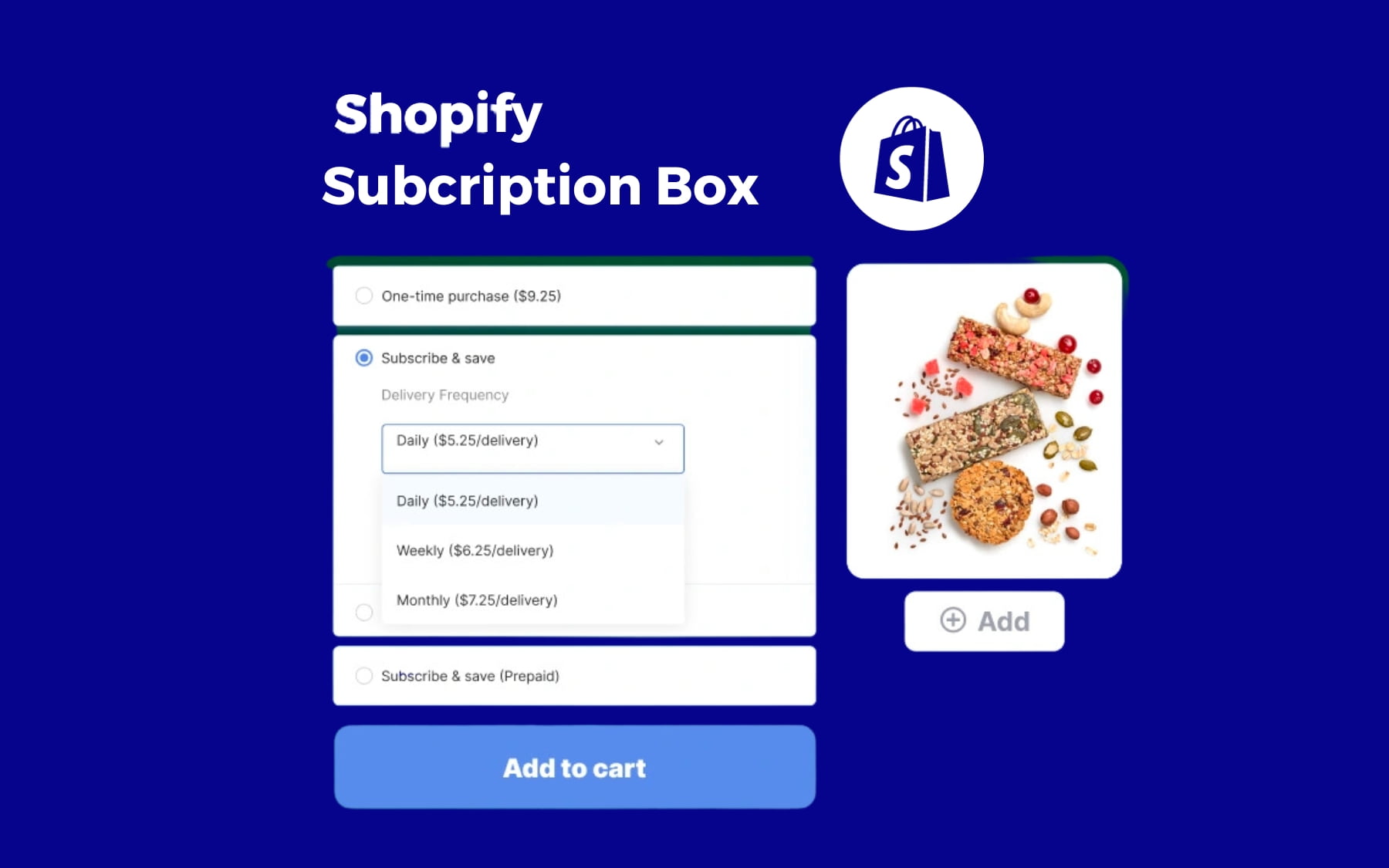
Food, coffee, personal care and beauty are common subscription niches. Pick products that people use up and reorder.
Shopify handles recurring billing through subscription apps. Appstle Subscriptions has a free plan, and Recharge starts at $25/month (Shopify App Store, November 2026). See how to sell subscriptions on Shopify for the setup.
Sell in more places from the same store
Once your store sells, you can add channels without rebuilding it. Products, stock and orders stay in one Shopify admin.
6. Sell in person with Shopify POS
Shopify POS (point of sale) lets you sell at a shop, stall or pop-up from the same stock as your online store. Every paid Shopify plan includes basic in-person selling. POS Pro adds staff and store features for $89/month per location (Shopify POS pricing, November 2026).
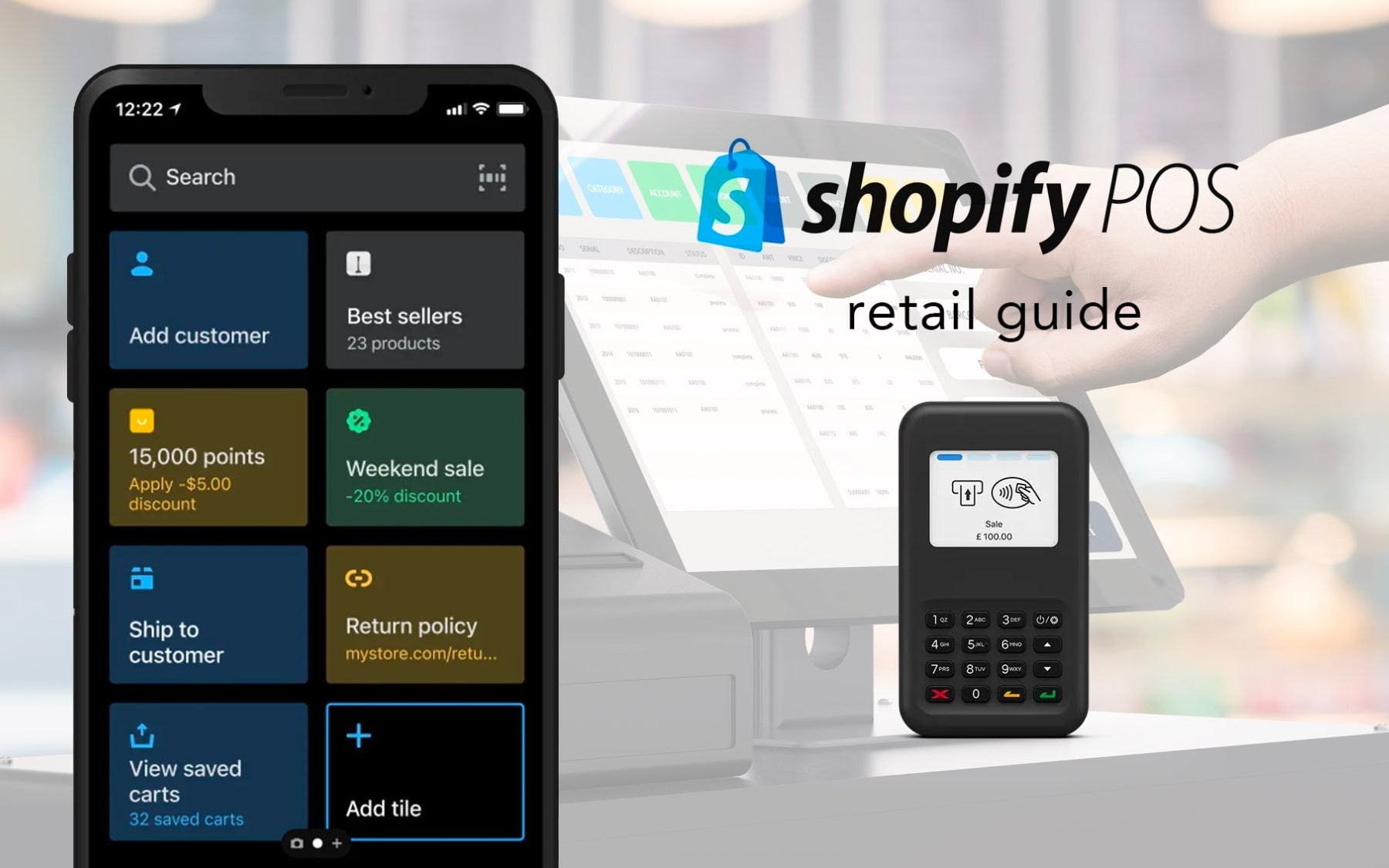
To make POS pay, link your in-store and online stock so both sell from one count. Promote the store online with SEO, social media and email. Then give shoppers a reason to visit in person, such as in-store pickup or a product only sold at events.
7. Sell on marketplaces and social channels
Your Shopify store can also feed listings to marketplaces. Shopify Marketplace Connect lists your products on Amazon, Walmart, Target Plus and eBay, and brings those orders back into Shopify. It is free to install, with extra charges once you sell (Shopify App Store, November 2026).

For social selling, Shopify has separate apps for TikTok and for Facebook and Instagram. Each one syncs your catalog so shoppers can buy where they find you.
Start with one extra channel and check its fees against your margin. Marketplaces charge their own selling fees on top of what Shopify charges.
8. Sell wholesale to other stores
Wholesale means selling in bulk, at a lower unit price, to shops that resell your products. You get bigger orders and new retail shelf space, in return for a smaller margin on each unit.
Faire has been Shopify's recommended wholesale marketplace since a September 2023 partnership. The Faire: Sell Wholesale app syncs your catalog, stock and orders with Shopify. It is free to install, and Faire charges its own fees on orders (Shopify App Store, November 2026).

You can also sell wholesale from your own store. Shopify B2B is available on the Basic, Grow, Advanced and Plus plans, and the features you get depend on your plan. Compare more options in our list of B2B wholesale platforms.
Set these rules before your first wholesale order:
- Tiered pricing: lower the unit price as the order quantity goes up.
- Minimum order: set a minimum quantity or value for wholesale buyers.
- Separate customer groups: keep retail and wholesale customers apart so each sees the right prices and emails.
- Stock control: track stock across retail and wholesale so you do not oversell.
- Written terms: state returns, shipping and payment terms for wholesale buyers.
Make money from Shopify without running a store
You do not need a store to earn from Shopify. Shopify pays affiliates and app developers, and merchants pay for services and training.
9. Refer new merchants as a Shopify affiliate
The Shopify Affiliate Program pays you for sending new merchants to Shopify. You earn up to $150 per qualified referral, depending on where the referral is based (Shopify Affiliates page, November 2026). Commission is paid when the referral signs up for a Basic, Grow or Advanced plan, not for a free trial alone.
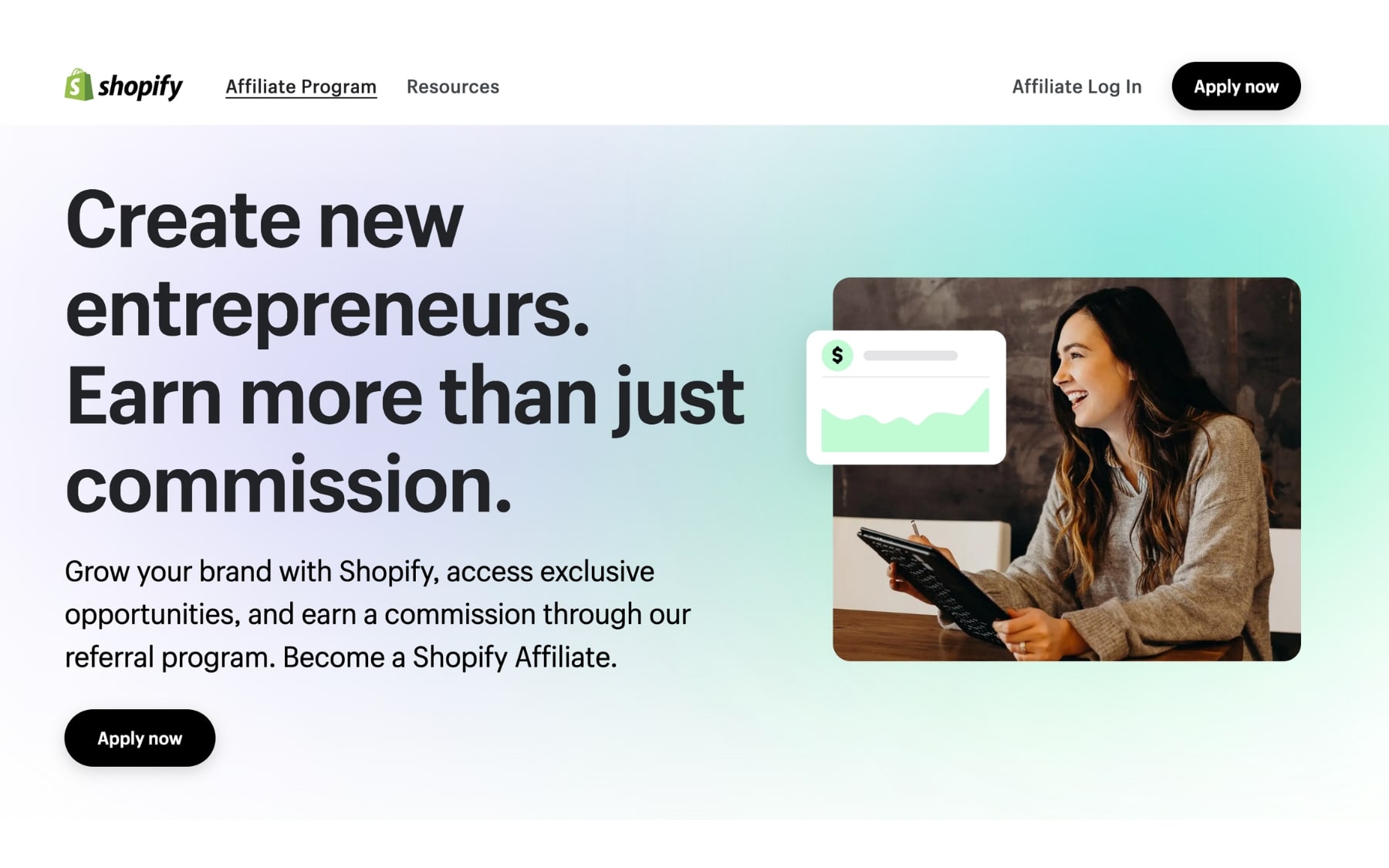
Referrals are tracked for 30 days after a click. If the person starts a free trial, tracking continues for up to 400 days until they pick a paid plan.
To earn from it, you need:
- A clear audience: people who are about to start selling online.
- Useful content: tutorials, reviews and videos that answer their setup questions.
- Shopify's affiliate tools: links, banners and resources from your affiliate dashboard.
- Honesty: say where Shopify fits and where it does not, so readers trust your next link.
- Current offers: check the trial and plan prices before you publish them.
You can also earn from other brands' programs. See how to sell affiliate products on Shopify.
10. Sell services to Shopify merchants
Merchants hire outside help for store setup, design, development, marketing, SEO and content. Shopify paid its partners $1.3 billion in 2025 (Shopify Partners, 2026).

Since October 2023, the Shopify Partner Directory has replaced the old Shopify Experts Marketplace. Merchants browse partner profiles there and contact partners directly, and Shopify invites eligible partners to list their services.
To get started, join the Shopify Partner Program and build a portfolio of real store projects. A few finished stores with clear results win more work than a long list of skills.
11. Build Shopify apps or themes
If you can code, you can sell software to merchants. Shopify reviews every app and theme before it goes live, so plan for review time and possible rejection.
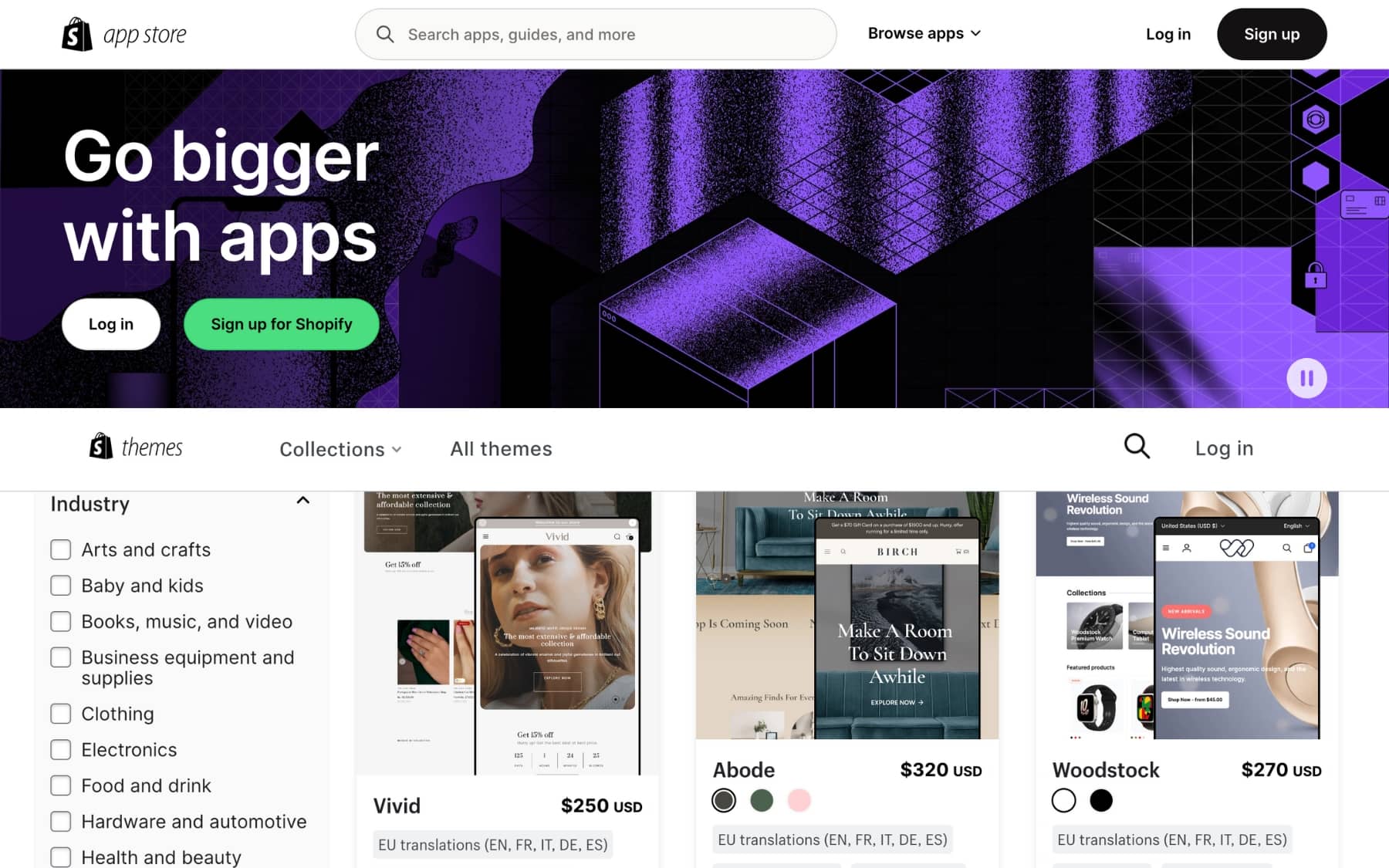
App developers keep 100% of their first $1 million in lifetime app revenue, counted from January 1, 2025, and 85% above that. Registering on the Shopify App Store costs a one-time $19 (Shopify developer docs, 2026).
Theme developers keep 85% of Theme Store sales from the first sale, with no $1 million threshold (Shopify developer docs, 2026). Both apps and themes also pay a 2.9% processing fee.
12. Create content and partner with brands
A blog, YouTube channel or social account about ecommerce can earn through ads, sponsorships, affiliate links and your own digital products. If you run the blog on Shopify, you can sell products inside the same posts.
Shopify Collabs connects creators with Shopify brands. When a brand invites you, you earn the commission it sets on orders placed through your link or code. Brands can also send you free products as gifts.
Pick one topic you know well and publish on a fixed schedule. Brands look for creators whose audience matches their shoppers. Follower count matters less than that match.
13. Sell courses and tutorials
What you learn from running a store is a product too. You can package it as a course, a workshop or a paid template pack.
Sell the course from your Shopify store as a digital product, or use a course platform that connects to Shopify. Free content on YouTube or social media brings people to the paid course.
How to make money on Shopify with no money
You cannot run a Shopify store for free, but you can start for very little. The trial costs nothing for 3 days, then $1/month for the first 3 months on Basic, Grow or Advanced.
The lowest-cost ways are dropshipping, print-on-demand and digital products, because you buy no stock. The Shopify Affiliate Program and selling services need no store at all. For a step-by-step plan, read how to start dropshipping with no money.
Tips to make more profit from your Shopify store
Picking a way to make money is the first step. These five habits decide whether the store pays you back.
Start with a clear product idea
Many stores sell the same products, so give shoppers a reason to buy from you. Before you open your store, write one sentence on what makes your product different. Then check that enough people search for it.
A clear difference lets you charge more and compete less on price. It also gives repeat customers a reason to come back.
Research your market and plan your costs
Start with your target customers: who they are, what they already buy and what annoys them about it. Then look at the stores they buy from today.
Turn that research into a short plan:
- Marketing plan: which channels you will use to reach shoppers, such as content, social media, email or paid ads.
- Cost plan: your Shopify plan, apps, stock, shipping and ad budget per month.
- Operations plan: who supplies, packs and ships each order, and how long it takes.
Check your Shopify plan costs before you fix your prices.
Choose suppliers you can rely on
For dropshipping and POD, your supplier decides product quality and delivery time. If either goes wrong, customers blame your store.
Write down what you need first: product type, quality bar, price and shipping speed. Then order samples from two or three suppliers and compare them before you list anything.
Promote your store on more than one channel
If all your sales come from one ad platform or one social app, a single policy change can stop them. Spread your marketing across a few channels so one problem does not empty your store.
Each channel reaches different people. Instagram may bring younger shoppers, while email often brings back people who already know you.
Track sales per channel, then spend more where orders come from. Our guide on how to increase sales on Shopify covers more tactics.
Answer customers fast and keep improving
Happy customers buy again, recommend you and leave good reviews. Keeping a customer usually costs less than finding a new one.
Shoppers who cannot find out about size, stock or shipping often leave without buying. Chatty, the AI sales agent for Shopify stores, solves this issue. It recommends the right product, adds it to the cart and hands the chat to your team when a person is needed.
Chatty marks every order it assisted in Shopify, so you can check the return yourself. High Tech Pet, a two-person store with nobody on live chat, closed 109 orders through Chatty in ten weeks. See the High Tech Pet case study.
After the sale, make order tracking, returns and exchanges easy to find.
Bottom line
You can make money on Shopify by selling from your own store and adding channels such as POS, marketplaces and wholesale. You can also earn from the ecosystem as an affiliate, partner, developer or creator. Each way has a different start-up cost and a different wait before money comes in.
Pick the way that fits your budget, skills and time. Test it for a few months before you add a second one. Track your profit per order from the first sale.
Read more:
Frequently Asked Questions
How do you make money on Shopify?
You make money on Shopify by selling from your own Shopify store, or by earning from the Shopify ecosystem without a store. Store routes include your own products, dropshipping, print-on-demand, digital products and subscriptions. Non-store routes include the Shopify Affiliate Program, services for merchants, and building apps or themes.
Can you make money on Shopify with no money?
You can start for very little. Shopify gives you 3 days free, then $1/month for the first 3 months on Basic, Grow or Advanced (November 2026). Dropshipping, print-on-demand and digital products need no stock, and the Shopify Affiliate Program needs no store at all.
How much does it cost to start making money on Shopify?
After the $1/month offer ends, the Basic plan costs $25/month, or $19/month billed yearly (Shopify pricing page, November 2026). Add the cost of apps, stock if you hold any, and marketing.
Can you make money from Shopify without a store?
Yes. The Shopify Affiliate Program pays up to $150 per qualified referral. You can also sell services to merchants as a Shopify partner, or build apps and themes.